| ||||
 | ||||

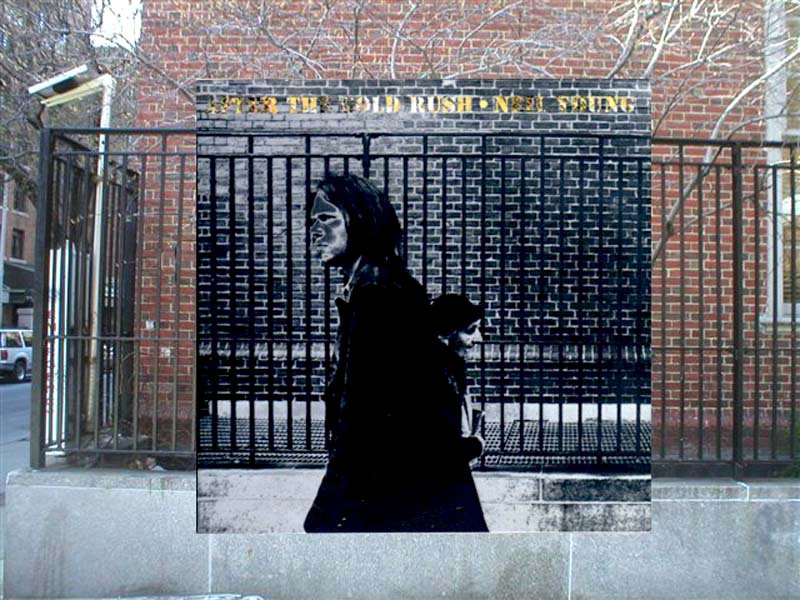
example: Neil Young's 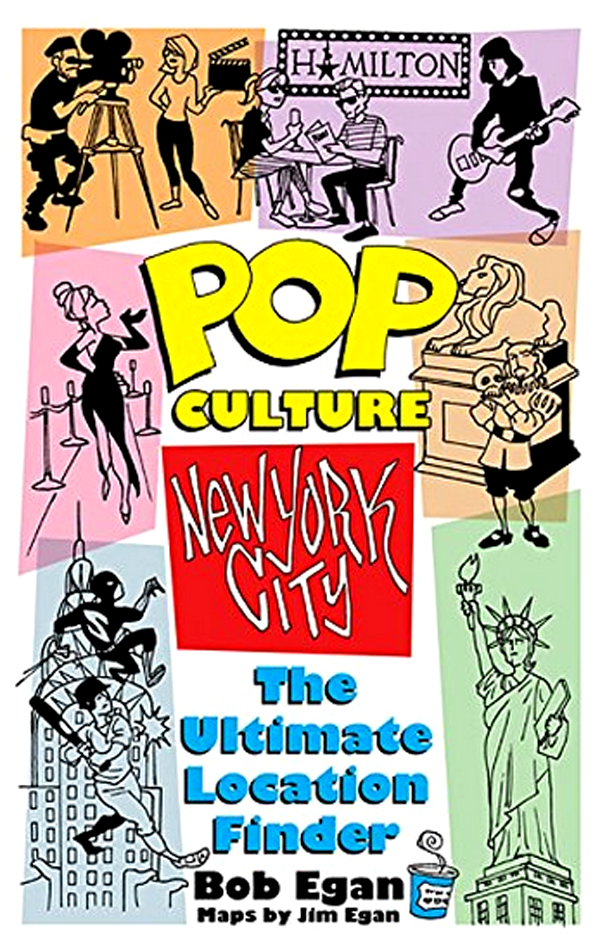
• POP CULTURE - NEW YORK: THE ULTIMATE LOCATION FINDER, based on PopSpots, has maps to over 2,000 Pop Culture locations you can visit in New York CIty. RELEASED IN 2018! Ask for it it at your at your local bookstore, or buy it online from Amazon, Barnes and Noble, Target, Walmart and other online dealers. Read about it here. To be notified of new PopSpots and "PopSpot Singles" entries, follow PopSpotsNYC on Twitter:
Follow PopSpots on Facebook 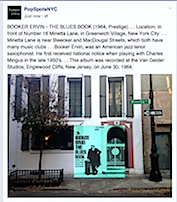
For questions or comments, you can email me, Bob Egan, here. Reference section: 
click here to see ongoing Dylan Research and also selected art, film, and history PopSpots-in-progress. PopSpots in the media. 
Looking for a free and extremely simple online method to learn HOW TO PLAY GUITAR? 
Or, just looking for a list of over 250 easy-to-play 3-chord and 4-chord songs? Click here to get to the website for: Bob Egan's MOST EXCELLENT LIST OF 3-CHORD and 4-CHORD SONGS" For The PopSpots Guide to Bookstores in NYC, click here.
|
BOB DYLAN and his (electric) BAND - FOREST HILLS TENNIS STADIUM, Queens, NY - AUGUST 28, 1965. Bob Dylan's famous concert at the Forest Hills Tennis Stadium on August 28, 1965 featured an acoustic first half followed by an electric second half. It came just a month after the controversial Newport Folk Festival performance and just two days before the album Highway 61 Revisited was released. The concert is regarded as one of the landmark performances of Dylan's career because it was his first full-length concert divided into an acoustic and an electric set, marking his transition from folk icon to rock artist. Although some audience members booed the electric portion, many others cheered enthusiastically, and the show is now considered a classic. Dylan at the soundcheck before the show, Forest Hills Tennis Stadium, Queens, New York, August 28, 1965. 
(photo by Daniel Kramer) At the soundcheck. 
At the soundcheck. 


(2016 by Karl Gedlinka) 


Electric sound check. 
(photo by Daniel Kramer) With Al Kooper. Acoustic sound check. 
Bob Dylan. Acoustic sound check. 
(photo by Daniel Kramer) With manager Albert Grossman. 
At the afternoon soundcheck. (onstage, left to right: Robbie Robertson, Al Kooper, Bob Dylan, Harvey Brooks, unknown (far right) 
(photo by Daniel Kramer) Afternoon sound check.Close-up. 
(photo by Daniel Kramer) The stage, 2016. 
(photo by Karl Gedlinka) Superimposed. 
With Robbin Robertson. 
With Harvey Brooks (bass) and Robbie Robertson (lead guitar). 
Dylan. Afternoon sound check. 
(photo by Daniel Kramer) Backstage with assistant, Victor Maymudes, (left), and Robbie Robertson (right), going over the setlist. 
(photo by Daniel Kramer) A closeup on the setlist, starting with Tombstone Blues in the key of A. 
(photo by Daniel Kramer - from his book Bob Dylan: One Day at a Time) Another backstage shot before the nighttime show. (from a small original photo) 
Dylan backstage before the show. 
After the practice. (left to right: Harvey Brooks, Robbie"electric" Robertson, Bob Dylan, Levon Helm, Richard Manuel) 
Before the show, backstage: (L to R: Robbie Robertson, Sally Grossman, Bob Dylan, Albert Grossman) 
THE BAND MEMBERS
Bob Dylan (vocal, harmonica & electric guitar) Songs - first half acoustic - Dylan alone - about 40-45 minutes 1) She Belongs To Me2) To Ramona 3) Gates Of Eden 4) Love Minus Zero/No Limit 5) Desolation Row (It's live debut) 6) It's All Over Now, Baby Blue 7) Mr. Tambourine Man Songs - second half electric (after intermission) - Dylan with band (backing band: Robbie Robertson, LevonHelm, Harvey Brooks, and Al Kooper) 1) Tombstone Blues2) I Don't Believe You (She Acts Like We Never Have Met) 3) From A Buick 6 4) Just Like Tom Thumb's Blues 5) Maggie's Farm 6) It Ain't Me, Babe 7) Ballad Of A Thin Man 8) Like A Rolling Stone Dylan. The acoustic set. 
Dylan. The acoustic set. In color. 
(photo by Ken Reagan) The acoustic set. 
(photo by Ken Reagan/Camera 5 via Getty) The acoustic set. 
(photo by Ken Reagan/Camera 5 via Getty) The acoustic set. 
(photo by Ken Reagan/Camera 5 via Getty) The acoustic set. 
(photo by Ken Reagan/Camera 5 via Getty) The electric set. (left to right: Levon Helm, Dylan, Harvey Brooks) 
(photo by Gloria Staver) The electric set. 
(photo by Daniel Kramer) Dylan. The electric set. 
(photo by Daniel Kramer) Dylan. The electric set. 
(photo by Daniel Kramer) The Electric set. Someone runs on stage and is confronted by police. When asked later why he ran onstage, he relied "I just waned to touch him,. 
A RESTROSPECTIVE LOOK AT THE SHOW BY CLINTON HEYLIN . . . . . . from his book Bob Dylan: A Life in Stolen Moments Day by Day 1941-1995. (Schirmer Books, 1996, NY) This time Dylan is determined to be prepared, and after arduous rehearsals with his new band, soundchecks with them on the afternoon of the concert. Although the weather is cold and windy, he has succeeded in selling out 15 ,000 seats. The format presented at this show is to remain constant throughout the next nine months of touring. The 45-minute opening set features Dylan solo, just guitar and harmonica, followed by a similar-length electric set with the band. The acoustic set he presents is a tour de force of some of his finest writings:"She Belongs to Me," "To Ramona," "Gates of Eden," "Love Minus Zero/No Limit," and his new 11-minute composition,"Desolation Row." He finishes with the same two songs performed solo at Newport: "It's All Over Now, Baby Blue" and "Mr. Tambourine Man," After the intermission Dylan returns with "an excellent rock & roll quartet" (Shelton observes in The New York Times), and launches straight into "Tombstone Blues." As if determined to compound the audience's confusion, half of the songs in the electric set are wholly new, and lyrically dense."Tombstone Blues," "From a Buick Six, "Just Like Tom Thumb'Õs Blues," and "Ballad of a Thin Man" all receive their first public airings. "I Don't Believe You" and "It Ain't Me, Babe" are both rocked up. "Maggie's Farm" and "Like a Rolling Stone" remain from the Newport sec. A large contingent in the audience boo throughout the second half, and Dylan quickly exits the stage after "Like a Rolling Stone" (Via the site: AllDylan.com) The aftermath to the Forest HIlls show. Forest Hills proved several things: 1) The Newport controversy wasn't an accident. Dylan was committed to electric rock. 2) The Hawks became his touring band, eventually evolving into The Band. 3) It marked the beginning of one of the most influential periods in rock history, leading to albums such as Highway 61 Revisited (released just days before the concerts) and later Blonde on Blonde. 4) The hostile reactions demonstrated the cultural divide between the folk revival and the emerging rock generation. What seemed outrageous in 1965 is now viewed as one of the defining moments in popular music history. Levon Helm later remembered that Dylan told them, in effect, that they might get booed and that they should just keep playing. The musicians had not experienced anything like this before and were surprised that audiences were angry not because the band played badly, but because Dylan had changed musical styles. Interestingly, Levon Helm quit the tour in late 1965, saying he had grown tired of the nightly hostility and boos. Mickey Jones later replaced him on drums until Helm rejoined Robertson and the others to form the Band. So while Newport is remembered as the moment Dylan "went electric," Forest Hills was where he proved he wasn't turning back. It was the first sustained test of that decision in front of a large paying audience, and despite the boos, he and the band played through it. A poster for the 1965 season at Forest HIlls. Dylan, who played August 28th, 1965 in the week after the Johnny Mathis concert, was a late addition to the schedule and did not make the year's main poster (for more, see directly below). 
Some people have speculated that Dylan was added to the Forest HIlls summer schedule of performers after his controversial and much talked-about performance at Newport. But "electric" Newport took place on July 25th, 1965, and, as this notice (below) from Cash Box Magazine indicates, Dylan's performance was announced on July 17th, eight days before he sang "Maggie's Farm" at Newport, (and three days before the two-sided single of "Like A Rolling Stone" was released on radio on July 20th, 1965.) 
A ticket stub from the event. 
The stadium was built in 1932 specifically for tennis matches, as all 14,000 viewers got an unobstructed view of the courts. When concerts started in the 1960's - when Dylan, Frank Sinatra, and the Beatles played there - there was no seating on the ground, as it would hurt the lawn tennis courts. Presently, they build a temporary wooden floor for concerts, so there are seats where the courts are. 
The modern view of the stage from halfway up the stadium. 
(click here to see am interactive view of the stadium through Google Street views. A modern day overhead view of the stadium. 
Forest Hills is a 20-minute subway ride from midtown Manhattan, then a 10-minute walk to the stadium. 
The entrance to the stadium. (2026) 
To get to the stadium you go through a food & drink court. (2026) 
The fact that Dylan and his band had an opening act is little written about. As you can see from this ad, the opening musical act was Carl Holmes and the Commanders. At the time they had a local hit called "Mashed Potatoes." 
(via the website Come Writers and Critics) Carl Holmes and the Commodores. 
Three popular local disk jockeys emceed the show that night. 
Here's a review of the show in the New York Times from Robert Shelton, who had given Dylan's career a boost when he wrote a positive rewiew about Dylan when he played at Gerde's Folk City. 
(via the website Come Writers and Critics) This is an (edited) AI look at how Dylan assembled the band that he played with at Forest Hills and which members stayed on afterword (initally) for the world tour. (Levon Helm would drop out, frustrated at all the booing.) 
(continued) 
A last look at the the modern stage today 
(photo by Karl Gedlinka) Thanks to Marie Fotini for additional research and Karl Gedlinka for his photos! 
|
|||